- Sproutly
- Posts
- 🌱❤️Making Friends❤️🌱
🌱❤️Making Friends❤️🌱

Melissa Moore
July 26, 2024
Hello Sproutly Families,
Building friendships is an essential part of childhood, offering children opportunities to develop social skills, empathy, and a sense of belonging. A key to helping children build and maintain friendships lies in consistent support, positive reinforcement, and leading by example.
Every person has different social limits and needs. By recognizing and accepting your child’s social needs and limits you will be better able to help them understand their social limits and needs. And you will be able find ways to help them grow and thrive in their friendships.
In this newsletter, you will get....

Feature Articles
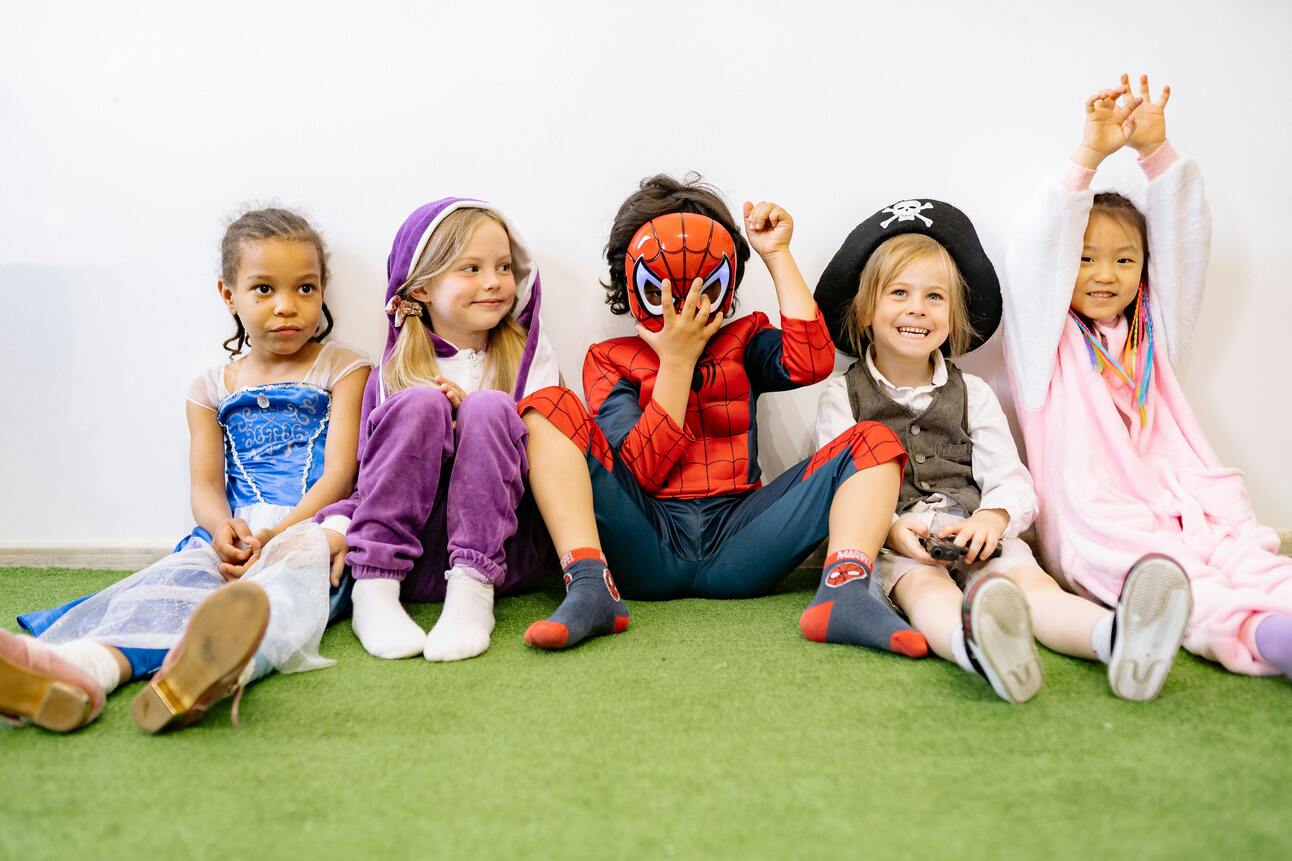
Photo by Yan Krukau on Pexels
Claire McCarthy, author of Helping Children Make Friends: What Can Parents Do, identifies 6 simple things parents can do at home to help their children make friends.
On the Parents website, Kate Bayless lays out some simple ways parents can help their children make and keep friends in How to Help Your Child Make Friends.
Parenting Tips
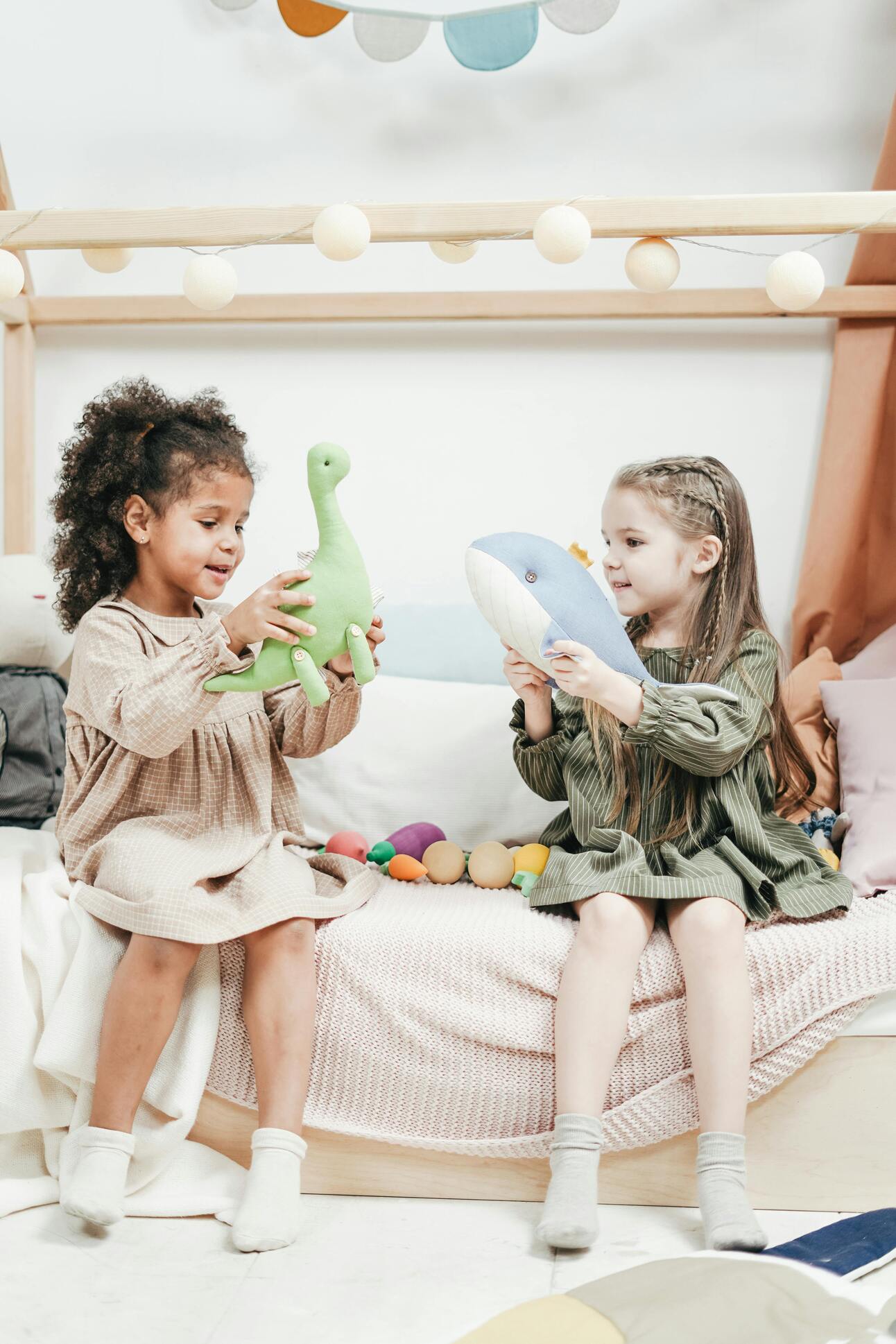
Photo by cottonbro studio on Pexels
Being a parent or caretaker of one child or many comes with many responsibilities. As you read over these tips, be aware and give yourself credit if you are already doing some of these things with them. Pick one or two ideas that you believe will fit within your child’s social needs and limits that will help them in growing their friendships.
Create Opportunities for Socialization
Playdates: Arrange playdates with children of similar ages. Start with one-on-one interactions to build confidence.
Group Activities: Enroll them in group activities like sports, dance, art classes, or community activities where they can meet peers.
Provide Support: Be there for your child to talk through social experiences and offer guidance without taking over.
Be Observant and Involved
Monitor Interactions: Watch how your child interacts with others and step in gently if needed to guide positive behavior.
Teach Empathy and Kindness
Discuss Feelings: Talk about emotions and how to recognize them in themselves and others.
Encourage and Model Kind Acts: Praise your child when they show kindness or empathy towards others.
Demonstrate Friendly Interactions: Show children how to greet others, take turns, share, and listen.
Encourage Group Play
Games and Activities: Suggest games that require teamwork and cooperation, such as building a puzzle together or playing a sport.
Shared Interests: Help your child find peers with similar interests to build common ground.
Encourage Problem-Solving
Conflict Resolution: Teach your child simple strategies to resolve conflicts, such as using “I” statements and finding compromises.
Decision Making: Allow your child to make choices about play activities or playmates, fostering independence.
Talk About Friendship: Discuss what makes a good friend and how to handle conflicts when they arise.
Read Books About Friendship
Storytime Lessons: Choose books that highlight themes of friendship, cooperation, and empathy. Discuss the stories and the behaviors of the characters.
Activity of the Week

Photo by Norma Mortenson on Pexels
Listening Game
Objective: To practice active listening, a key skill in being a good friend.
Materials Needed:
A small object (ball, beanbag or other soft object)
Instructions:
This can be done with two people or a big group
Sit in a circle and give the small object to one person.
The person with the object shares something about their day or something they enjoy.
The others practice active listening, making eye contact, and not interrupting.
After the person finishes, they pass the object to someone else.
Discuss the importance of listening and how it makes people feel valued and understood.
Wrap Up:
Helping your child make and keep friends is not just about fostering social connections; it’s about equipping them with essential life skills. Through these activities and your ongoing support, your child will learn the importance of empathy, cooperation, and effective communication. These are the building blocks for not only strong friendships but also a fulfilling and connected life.
Warm Regards,
Millie & Melissa
The Sproutly Team 🌱

New here? Join Our Newsletter
