- Sproutly
- Posts
- 🎃 Spooky but Safe: Facing Scary Feelings 👻
🎃 Spooky but Safe: Facing Scary Feelings 👻
Hello Sproutly Families,
Halloween brings all kinds of thrills: creaky doors, ghost stories, spooky decorations. And for many kids, a mix of fun excitement and real fear.
Feeling scared isn’t a sign of weakness, it’s part of growing up. In fact, learning to manage fear is one of the most important emotional skills children can develop. As a family therapist, I remind parents that fear is the brain’s way of saying, “I’m not sure I’m safe yet.” When we help kids face those feelings gently, we teach them courage, self-regulation, and trust in their own strength.
This Halloween season, let’s make space for both: the spooky and the safe.
In this newsletter, you will get....

Parenting Tips
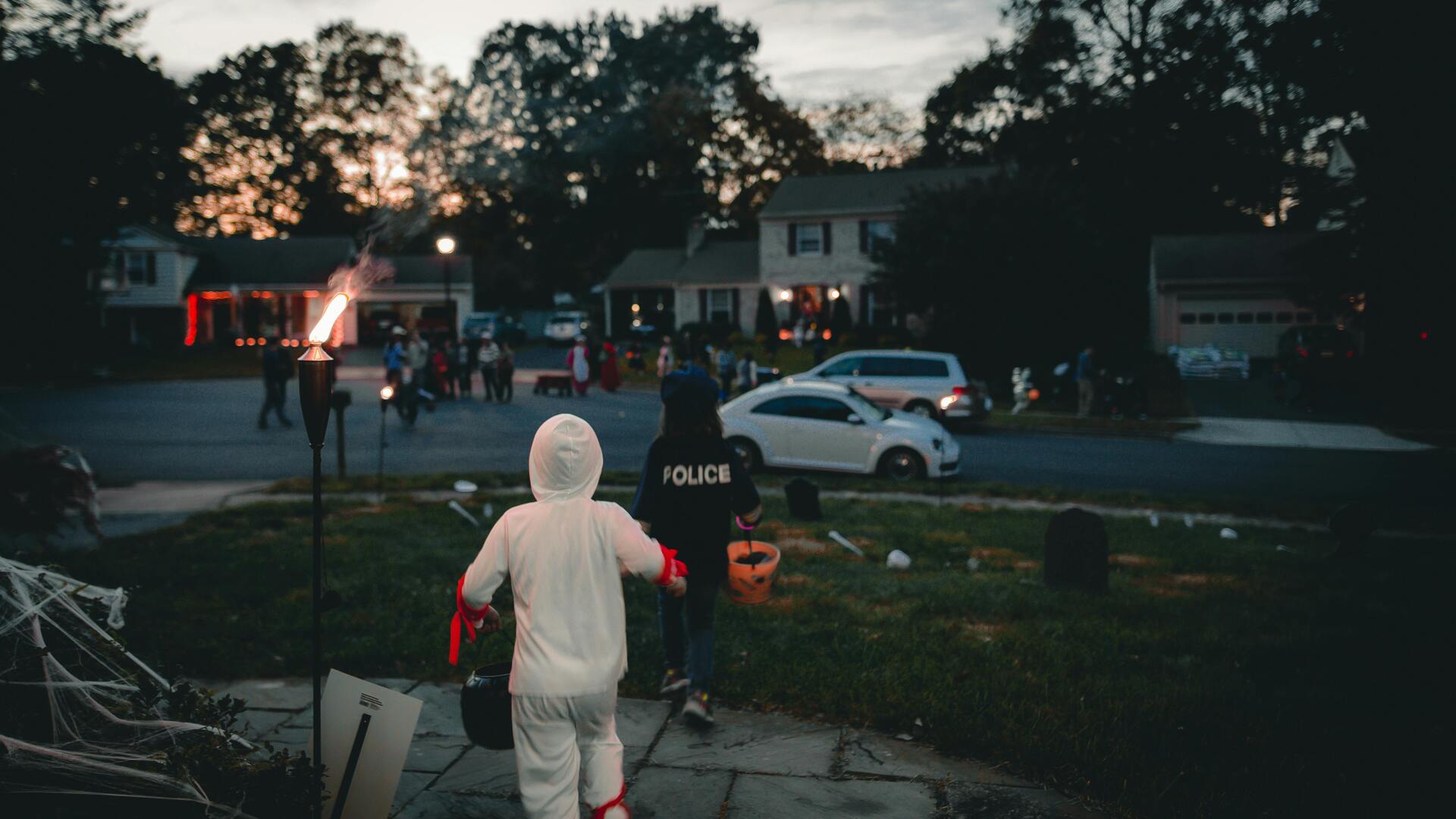
Photo by Yuting Gao on Pexels
Helping Kids Face Scary Feelings
Normalize Fear
Let your child know that everyone feels scared sometimes, even adults. Try saying, “Your brain is just checking if things are safe. That’s what it’s supposed to do.”Label the Feeling
Help kids name what they’re feeling: “It sounds like you feel nervous about that costume,” or “You’re feeling jumpy because the house looks different at night.”Differentiate Pretend vs. Real
Talk about how costumes, decorations, and movies are make-believe. Encourage curiosity by showing them the “behind-the-scenes” (a mask off, lights turned on).Give Choices
Let your child decide how close they want to get to something spooky. Choice builds control. Control builds calm.Model Calm
Kids mirror our reactions. If you respond with curiosity (“That’s a loud noise! Let’s see what it was.”), they learn to stay grounded too.
Activity of the Week

Photo by Charles Parker on Pexels
The Spooky Feelings Thermometer
You’ll Need:
A printed thermometer chart (or draw one together)
Crayons or markers
How to Use:
Label the bottom as calm, the middle as nervous, and the top as really scared.
Ask your child to point or color where they feel when something spooky happens (like walking past a house with decorations).
Brainstorm calming strategies together: taking deep breaths, holding your hand, or saying, “It’s just pretend.”
This activity helps kids tune into their bodies and practice self-regulation in real time.
Bonus Activities
“Courage Countdown” Ritual
Before facing a spooky moment (like walking up to a decorated porch), count down together: “3-2-1—Courage On!”
The countdown helps kids shift from fear to action.“Fear Detective” Game
Pretend you’re detectives collecting clues about what’s scary and why. Ask, “What did you see? What did you hear? What might help you feel safe?”Bedtime Story Swap
Turn scary moments into silly ones by rewriting the ending. What if the monster just needed a friend?
Sneak Peek: Daisy Core Emotion Kit

Photo by Sprouty
Understanding core emotions is the foundation of emotional intelligence. Just like petals on a daisy, each core emotion is connected to the heart of how we feel and communicate. The Daisy Kit gently guides children through the six foundational emotions. When children can identify and name what they feel. Whether it’s happy, sad, angry, surprised, worried, or afraid they gain the power to manage those feelings instead of being overwhelmed by them.
By exploring these six core feelings in a safe, playful way, the Daisy Kit teaches children that emotions aren’t good or bad. They’re messengers guiding us toward understanding, connection, and growth.
Our new Daisy Kit helps your child recognize, express, and manage their feelings with confidence and clarity.
Ready to help your child’s emotional world blossom?
Click below to explore the Daisy Kit and see how Sproutly makes emotional learning simple, fun, and deeply meaningful.

Courage isn’t the absence of fear; it’s the ability to feel afraid and still move forward.
When we help children face scary feelings instead of avoiding them, we strengthen both their bravery and their trust in us. Each time your child feels scared and then safe again, their nervous system learns: “I can handle this.”
Every “spooky but safe” experience teaches your child that scary feelings don’t have to be avoided. They can be understood, soothed, and faced with love.
Here’s to finding the brave behind every boo,
Millie & Melissa
The Sproutly Team

New here? Join Our Newsletter
