- Sproutly
- Posts
- 🌱😀Understanding the Six Primary Emotions😡🌱
🌱😀Understanding the Six Primary Emotions😡🌱
Hello Sproutly Families,
Our children experience a wide range of emotions every day—sometimes all within the same hour! From joy and excitement to fear and frustration, each feeling plays an important role in how kids learn, connect, and grow. This week, we’re focusing on six primary emotions: sad, happy, anger, surprise, worry, and fear.
Helping children name what they’re feeling is the first step to teaching them how to manage and express those feelings in healthy ways. When we support kids in understanding their emotions, we empower them to navigate challenges, build empathy, and strengthen their emotional resilience.
In this newsletter, you will get....

Parenting Tips

Photo by Kindel Media on Pexles
Helping Kids Identify, Regulate, and Express Emotions
Name Emotions Often
Use everyday moments to label emotions: “You look really happy playing that game,” or “It sounds like you’re feeling frustrated.”
Use Books and Stories
Stories are powerful tools! Pause during reading to ask, “How do you think that character feels?” and “What might help them?”
Introduce a Feelings Chart
A simple visual with faces or colors representing different emotions can help children point to how they feel when they don’t have the words.
Teach Calming Tools
Practice breathing exercises, counting to ten, or hugging a stuffed animal together. Help your child discover what works for them when big feelings show up.
Model Emotional Honesty
Share your own emotions appropriately: “I’m feeling a little worried today, so I’m going to take a deep breath.” This shows it’s okay to have and manage all kinds of feelings.
Activity of the Week
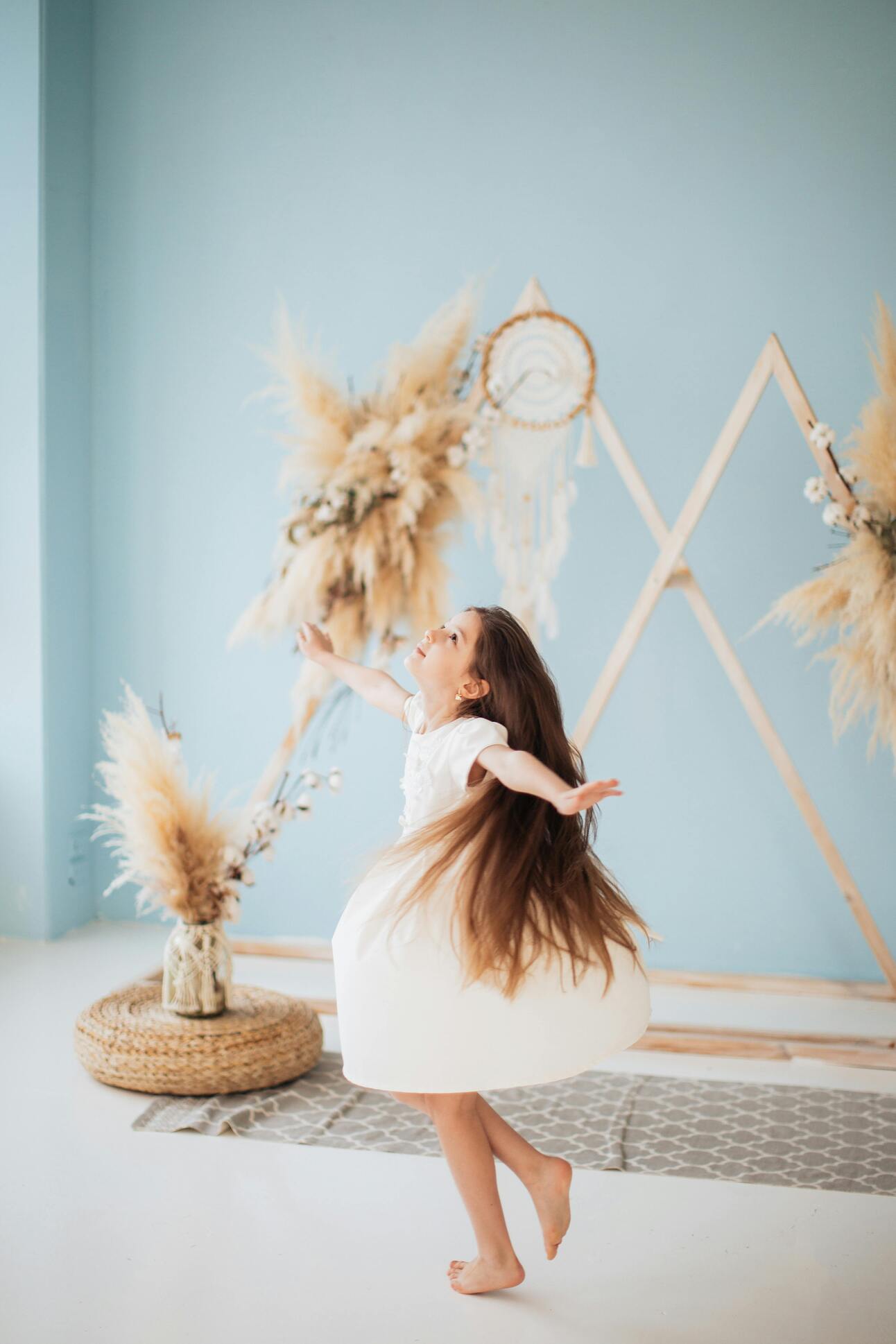
Photo by Elina Fairytale on Pexels
Emotion Dance Party – Move Through Your Feelings
Help children recognize, express, and release emotions through music and movement, promoting emotional awareness and self-regulation in a fun and energetic way.
Create an Emotion Playlist
Pick a variety of songs that reflect different emotions. Some ideas:
Happy: Upbeat, cheerful songs
Sad: Slow, soft melodies
Angry: Fast, heavy beats (but still appropriate for kids)
Surprised: Songs with sudden changes or dramatic moments
Worried/Fearful: Softer, slightly tense music
Explain the Game
Tell your child that you’re going to dance your feelings! Each song will have its own feeling, and they’ll try to move in a way that matches the emotion.
Emphasize that there’s no wrong way to move—this is about expressing feelings, not about "dancing perfectly."
Start Dancing!
Play a song and announce (or let them guess) the emotion it represents.
Encourage big, expressive movements:
Happy: Jumps, twirls, and big smiles
Sad: Slow, heavy steps, gentle sways
Angry: Strong, stomping movements (with safe boundaries)
Surprised: Quick, playful jumps and changes in direction
Worried: Tiptoeing, looking around carefully
Fearful: Small, cautious movements, maybe hiding behind arms
Add Reflection
After a few songs, pause to check in:
“Which feeling was easiest to dance?”
“Which was hardest?”
“How did moving your body make you feel inside?”
Create Your Own
Let kids pick their own emotion and choose a song to dance to, building their sense of agency and emotional connection.
Why It Works:
Movement helps release physical tension and stuck emotions.
Music can activate emotional memory and empathy.
Acting out emotions builds children’s understanding of how feelings show up in the body.
It creates a safe, playful environment to talk about and experience emotions together.
Big feelings are part of a big, beautiful life. When we take the time to understand emotions—not just when they’re pleasant, but especially when they’re tricky—we teach our children that all feelings are okay and manageable.
This week, let emotions be a conversation, not a correction. Whether your child is feeling joyful, worried, or surprised, your calm presence and curiosity will help them grow their emotional vocabulary and confidence.
Wishing you a week of emotional connection and understanding,
Millie & Melissa
The Sproutly Team

New here? Join Our Newsletter
