- Sproutly
- Posts
- 🌱 Perspective Taking Part 2🌱
🌱 Perspective Taking Part 2🌱

Melissa Moore
October 04, 2024
Hello Sproutly Families,
Teaching children about perspective-taking is important because this skill not only builds empathy but also strengthens problem-solving abilities and helps children develop emotional resilience. Perspective-taking is a cornerstone of healthy relationships, allowing kids to better understand the feelings and experiences of others, fostering cooperation, kindness, and emotional intelligence. It's not about getting it perfect every time, but about creating an environment where understanding and appreciating differences becomes second nature.
In this newsletter, you will get....

Feature Article

Photo by Ron Lach on Pexels
In Perspective Taking: The Skill You Want to be Teaching Kids, Casey O’Brien Martin provides great tips and strategies for effectively teaching children how to respond when interacting with someone who has a different perspective.
Activity of the Week
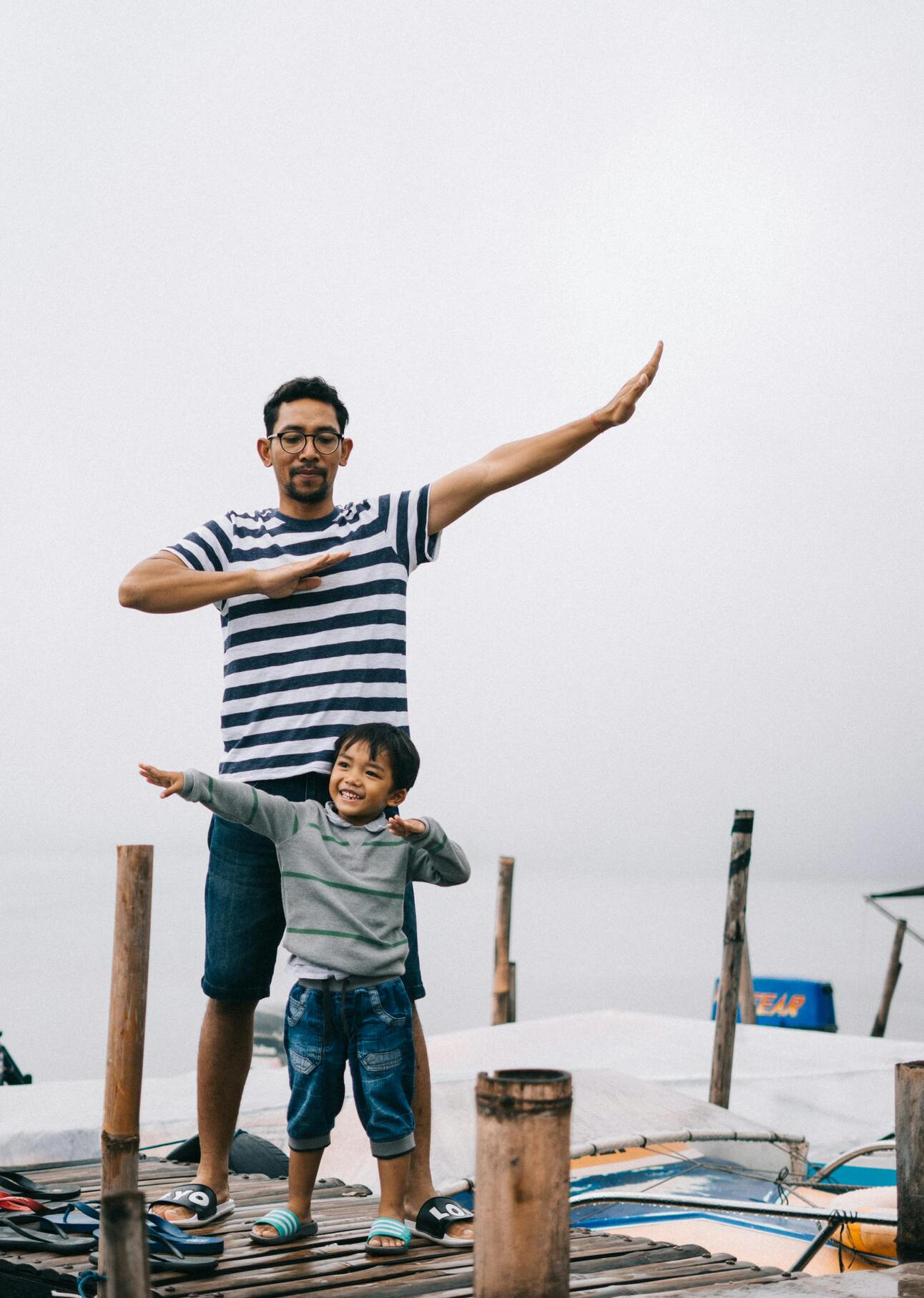
Photo by Agung Pandit Wiguna on Pexels
Picture Walk
Materials Needed:
A picture book with rich illustrations (preferably a storybook with multiple characters displaying various emotions)
A comfortable space for discussion
Introduce the Activity:
Explain to your child that you won’t be reading the words in the book right away. Instead, you’ll take a “picture walk” by looking closely at the pictures to see if you can figure out what’s happening and how the characters are feeling just by their facial expressions, body language, and actions.
Go Page by Page:
Slowly flip through the book one page at a time, examining each illustration. Ask open-ended questions about what your child thinks is happening in the story based on the images alone:
"What do you think this character is feeling?"
"Why do you think they are feeling that way?"
"What do you think is going to happen next?"
"How do you think the other characters feel about what’s happening?"
Empathy Through Perspective:
As your child interprets each character’s emotions, ask questions that encourage perspective-taking. For example:
"If you were this character, how would you feel?"
"How would you want someone to help you in this situation?"
"What do you think the other characters can do to help them feel better?"
Compare Thoughts with the Story:
After completing the picture walk, read the book's actual text together. Discuss any differences or similarities between what your child guessed and what happens in the story. Ask:
"Were you right about how the character felt?"
"Did anything surprise you?"
"How did the story help you understand what was really happening?"
Reflect and Connect:
After reading, encourage your child to reflect on the experience. Ask how the activity helped them understand how other people might feel in real-life situations. You can connect this to their own experiences:
"Do you remember a time when you felt like this character? What happened?"
"How do you think you would feel if you were in a similar situation?"
The "Picture Walk" not only nurtures empathy but also enhances communication skills and builds emotional awareness, all in a fun, engaging way.
In today’s fast-paced and often divisive world, raising a child who can thoughtfully consider others' perspectives gives them a powerful tool to build meaningful connections and handle conflicts constructively. Keep modeling empathy and openness yourself, and remember that each time you guide your child through these lessons, you're contributing to their ability to navigate life with compassion, respect, and confidence.
Warm regards,
Millie & Melissa
The Sproutly Team

New here? Join Our Newsletter
