- Sproutly
- Posts
- 🌱 Waiting is Hard 🌱
🌱 Waiting is Hard 🌱
Hello Sproutly Families,
Patience doesn’t come naturally to kids. It’s a skill that grows over time (and even adults are still working on it!). Whether it’s waiting for a turn, a snack, or a special event, the space between wanting and getting can feel endless for young children.
As a family therapists, We remind parents that waiting is not just about behavior. It’s about managing emotions like frustration, boredom, and anticipation. When kids practice waiting with gentle support, their brains build pathways for self-control, flexibility, and resilience.
Waiting may be hard, but with a little structure and empathy, it becomes one of the best teachers of emotional growth.
In this newsletter, you will get....

Parenting Tips

Photo by Pixabay on Pexels
Helping Kids Learn to Wait (Without Meltdowns)
Acknowledge the Hard Part
Start by naming the struggle: “It’s really hard to wait when you’re excited.” Validation helps calm the emotional brain so kids can access coping tools.Set Clear Timeframes
Instead of vague language (“in a little bit”), use something visual or measurable: “When this song ends,” or “After we finish lunch.” Predictability gives kids a sense of control.Offer Waiting Tools
Provide something to focus on—like a sensory toy, drawing, or counting game—to make the waiting time more manageable.Model Patience
Let your child see you wait calmly. You might say, “I’m feeling impatient, so I’m taking a deep breath while I wait.” Kids learn patience through example, not lectures.Celebrate Success
Notice and praise when your child waits, even for short moments: “You waited while I finished my call—that showed a lot of patience!” Small wins grow big skills.
Activity of the Week

Photo by Elina Fairytale on Pexels
The Waiting Jar
You’ll Need:
A small jar or cup
Strips of paper
A timer
How to Use:
Write simple “waiting challenges” on slips of paper (e.g., wait for two minutes before opening the jar, wait while a timer counts down, wait your turn during a game).
Each time your child practices waiting, let them add a pom-pom, bead, or sticker to the jar.
When it’s full, celebrate with a shared activity like a storytime or walk.
Why it works: It turns waiting into a visual and rewarding skill-building practice instead of a frustrating experience.
Now Available: Daisy Care Emotion Kit
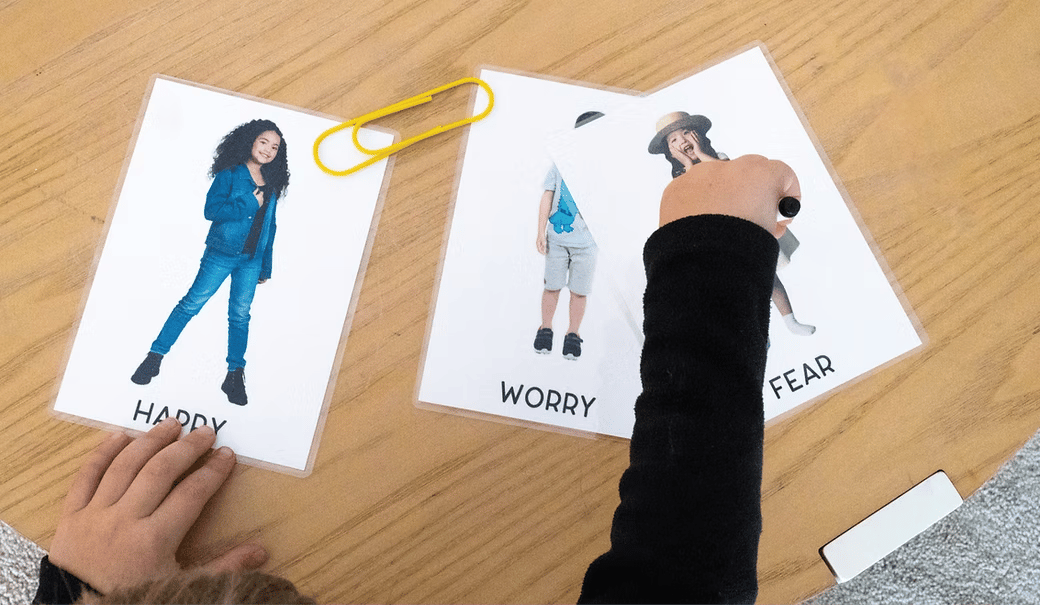
Emotion Map Cards
Help children understand where feelings live in their bodies. The Emotion Map turns self-awareness into a hands-on experience by pairing six core emotion cards with body mapping. Kids mark where they feel emotions like anger, joy, or worry, then reflect together with guiding questions such as, “What does anger feel like in your body?” or “Where do you feel happiness?”
As children grow, they can erase and update their maps, because emotions change, too. Over time, this simple practice builds emotional vocabulary, strengthens body awareness, helps kids notice early signs of big feelings, and fosters empathy and resilience through consistent reflection.
Use this link to our website to find products that are available. https://www.sproutlykids.com/
Every moment your child spends waiting is a moment their brain is quietly growing stronger. Patience builds emotional endurance, self-control, and trust. Skills that serve them for life.
When we meet their frustration with empathy and gentle structure, we send a powerful message: You can do hard things and I’ll help you through them.
Warm regards,
Millie & Melissa
The Sproutly Team

New here? Join Our Newsletter
