- Sproutly
- Posts
- 🌱 Handling Big Emotions🌱
🌱 Handling Big Emotions🌱
Hello Sproutly Families,
Big emotions are a natural part of growing up, but they can sometimes feel overwhelming for young children. Learning to manage feelings like frustration, sadness, and excitement is a crucial skill that helps kids develop emotional intelligence and resilience.
As parents, you play a key role in guiding your child through their emotional journey. By teaching them to recognize, express, and regulate their feelings, you’re giving them the tools they need to navigate life’s ups and downs with confidence.
This week, we’re sharing practical strategies to help children manage their emotions in a healthy and constructive way.
In this newsletter, you will get....

Parenting Tips

Photo by Anna Shvets on Pexels
Teaching Kids to Handle Big Feelings
Name the Emotion
Encourage your child to label what they’re feeling. Saying “I feel frustrated” helps them understand and express their emotions more clearly.
Validate Their Feelings
Let your child know their emotions are okay. Phrases like “I understand you’re upset” help them feel heard and supported.
Teach Calm-Down Strategies
Introduce simple techniques like deep breathing, counting to ten, or using a “calm corner” to help regulate emotions.
Model Healthy Emotional Expression
Show your child how you manage your own feelings by talking through your emotions in a positive way.
Encourage Problem-Solving
Help kids brainstorm ways to handle situations that trigger big emotions, reinforcing that they have control over their reactions.
Activity of the Week
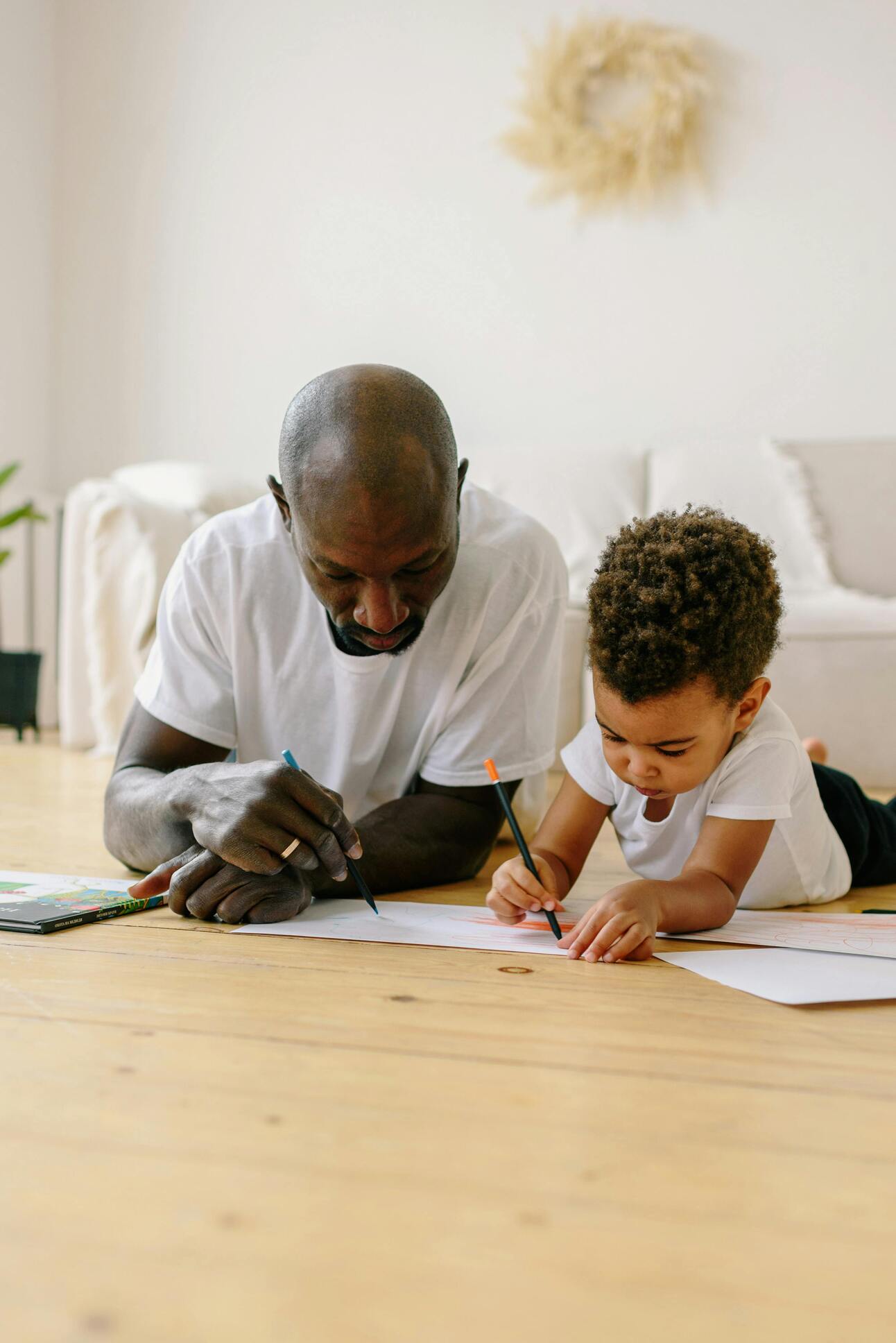
Photo by Ksenia Chernaya on Pexels
The Feelings Thermometer
Objective - Help children identify and express their emotions in a visual way.
Materials Needed - Paper, markers.
Steps
Draw a large thermometer on a piece of paper and divide it into sections labeled with different emotions (e.g., calm, frustrated, angry, overwhelmed).
Talk with your child about how different emotions feel in their body and where they might place themselves on the thermometer at different times.
When they experience strong emotions, encourage them to point to their place on the thermometer and discuss ways to move to a calmer state.
Bonus Variation: Create a mini version of the thermometer that your child can carry with them to help check in with their feelings throughout the day
Helping kids understand and manage big emotions is an ongoing process, but every small step makes a difference. By providing them with a safe space to express themselves and teaching them healthy coping skills, you’re setting the foundation for lifelong emotional well-being.
This week, practice recognizing emotions together, model positive ways to express feelings, and remind your child that all emotions are valid—it’s how we handle them that matters most.
Warm regards,
Millie & Melissa
The Sproutly Team

New here? Join Our Newsletter
