- Sproutly
- Posts
- 🌱😤 Anger Part 2😤🌱
🌱😤 Anger Part 2😤🌱

Melissa Moore
October 25, 2024
Hello Sproutly Families,
Anger is a powerful emotion that can be challenging to handle. Teaching children how to manage anger in healthy ways is crucial for their emotional development. By learning how to express anger constructively, they can develop better communication skills, stronger relationships, and greater emotional resilience. Through positive tools and techniques, parents can help their children recognize their anger, understand it, and find safe ways to release it.
In this newsletter, you will get....

Feature Article
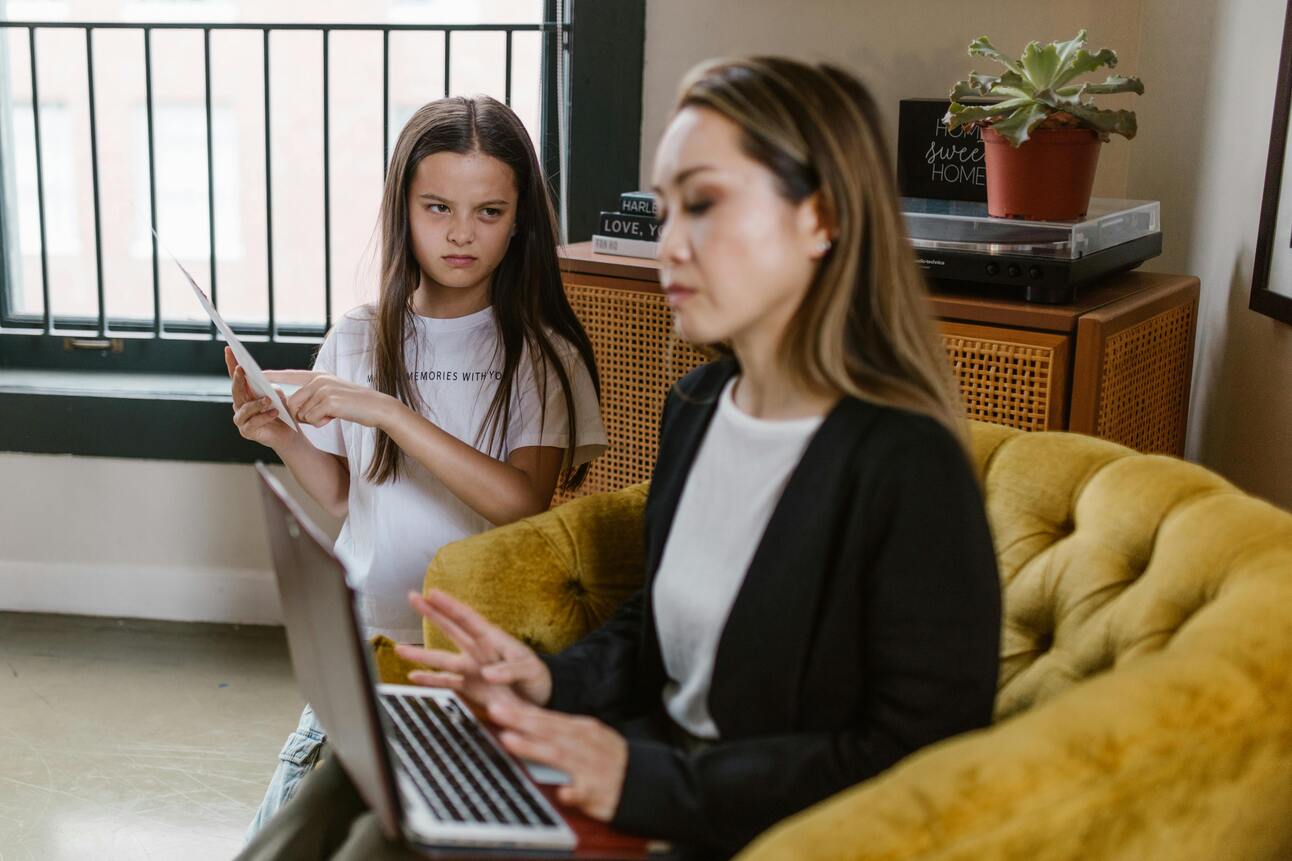
Photo by RDNE Stock project on Pexels.
In the article Managing Anger in Kids found on The Kids' Mental Health Foundation website, there are some great tips on how to respond to children when they express anger, as well as tools we can teach them to use when they feel angry.
Activity of the Week
Photo by cottonbro studio on Pexels
The Angry Monster Drawing Activity is a fun and creative way to help young children understand and manage their anger in a healthy way. This activity encourages kids to externalize their emotions by imagining their anger as a monster, which can help them feel more in control. Here's how it works:
Gather Materials: You'll can use any art supplies you have and the child wants to use. Some suggestions are paper, crayons, markers, colored pencils, googly eyes, glitter, etc.
Explain the Activity: Start by talking about what anger feels like. Ask your child to describe how their body reacts when they feel angry—do they feel tense, hot, or like they want to yell? Tell them that today, they’ll be drawing their "angry monster," a character that represents their anger.
Create the Angry Monster: Encourage your child to let their imagination run wild. Does their angry monster have sharp teeth, big claws, or fiery eyes? Or maybe it’s loud and stomps around. Let them draw the monster in whatever way feels right to them. The goal is to help the child put a face or figure to their anger, making it something they can visualize and manage.
Talk About the Monster: After the drawing is done, have a conversation about it. Ask questions like, “What makes your monster appear?” or “How big does your monster get when you're really angry?” This will help the child start identifying what triggers their anger and how intense it feels.
Shrink or Calm the Monster: The next step is to help the child think of ways they can “shrink” or “calm” their angry monster. You might ask, “What can you do to make your monster smaller or less scary?” This could involve deep breathing, counting to ten, going to a quiet space, or using positive self-talk. Encourage the child to come up with their own ideas on how to calm their monster.
Keep the Drawing for Reference: You can hang the drawing somewhere visible or keep it in a special place as a reminder. The next time the child feels angry, they can revisit the monster and practice the techniques they discussed to shrink or soothe it.
Remember that teaching kids how to manage anger in healthy ways is an essential part of their emotional development. Anger is a normal emotion, but it’s how we respond to it that makes all the difference. By helping our children recognize their feelings and giving them tools to express their anger constructively, we’re equipping them with lifelong skills that foster emotional intelligence and self-regulation. Whether it’s through creative activities like the Angry Monster Drawing or simple breathing exercises, the key is consistency and compassion.
Let’s continue to guide our kids in understanding that it's okay to feel angry, but it's even more important to know how to handle those feelings with care and control. Together, we can help raise a generation that knows how to navigate their emotions with confidence and kindness.
Warm regards,
Millie & Melissa
The Sproutly Team

New here? Join Our Newsletter
